Case Study

How FUSION (now Garmin) Improved Conversions by 17% in a Competitive US Market
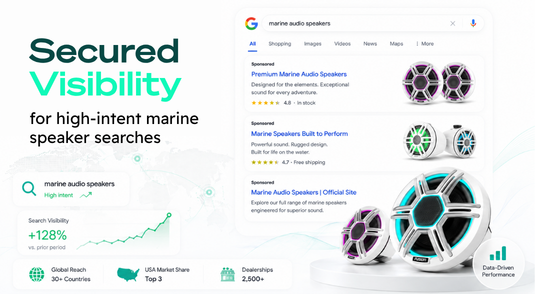
To build demand where customers were actively researching marine audio, we prioritised visibility on high-value product terms that weren’t performing organically. We mapped the keyword landscape, identified gaps across core categories, and clarified which queries signalled strong purchase intent versus general browsing. This created a cleaner focus for investment and messaging, ensuring campaigns aligned to the terms most likely to influence dealership enquiries and in-store purchase behaviour.
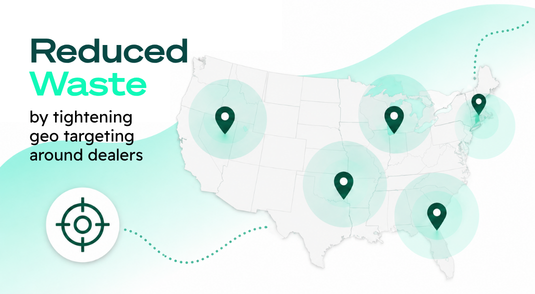
With dealership visits as the commercial goal, we refocused spend on the areas most likely to convert. We refined location targeting using radius proximity around dealer locations, reducing wasted impressions in low-relevance regions. Alongside this, we shifted emphasis toward more cost-effective long-tail terms that better matched real buying behaviour. The result was stronger traffic quality and improved efficiency, without relying on inflated bids in overly broad competitive zones.
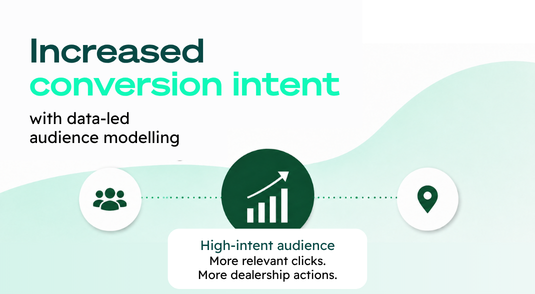
To lift dealership actions, we reduced reliance on generic targeting and built a clearer definition of “high-intent” users. We modelled audiences based on behaviours and signals consistent with people searching for their nearest dealer, then layered this over keyword targeting to concentrate spend where intent was strongest. This approach improved the likelihood that clicks came from users closer to purchase—supporting more consistent dealership conversions and a more reliable path to growth.
Click Growth
Dealership Growth
Cost Per Dealership Visit
With tighter targeting, clearer intent signals, and a stronger focus on dealership outcomes, results became easier to sustain in a highly competitive market. This created a more scalable way to generate demand while protecting efficiency as competition intensified.
‘We solved significant challenges for a Kiwi brand competing in the global markets, especially in Florida and deliver great results, which is ultimately the measure of a great professional partnership. I believe that Web Antler can support and grow any brand well into the future.’